


Short selling stands out in the financial world as a unique trading strategy that allows investors and traders to gain from declining asset prices. This approach, though less conventional than straightforward buying, involves borrowing shares from a brokerage and selling them, aiming to profit from anticipated price drops. When the asset's price falls, the trader buys it back at a lower price and returns the borrowed shares, pocketing the difference as profit. This article delves deeply into the world of short selling, exploring its mechanics, strategies, and best practices. It underscores the importance of informed trading, volume analysis, risk management, adapting to market dynamics, and targeting overvalued assets.
Understanding Short Selling and Its Mechanics
Short selling is a speculative strategy where traders bet on a decline in an asset's price. Unlike traditional buying, short selling begins with borrowing shares from a brokerage and selling them. The trader's goal is to repurchase these shares at a lower price, return them to the lender, and profit from the price difference.
For example, with $10,000, you could borrow 200 shares of a stock trading at $50 each. If the stock's price drops to $30, you could repurchase it for $6,000 and return the shares, realizing a $4,000 profit.
The Risks: Navigating Short Squeezes
Short selling, while potentially profitable, carries significant risks, particularly from short squeezes. A short squeeze occurs when an asset's price rapidly increases, forcing short sellers to buy back at higher prices, often incurring substantial losses. In our example, if the stock price rose to $70, you'd need to buy back at $14,000, resulting in a $4,000 loss. In extreme cases, like the GameStop phenomenon, short sellers faced enormous losses when the stock price skyrocketed.
Strategies for Short Selling
Short selling encompasses various approaches for profiting from downward market movements. We explore four primary strategies:
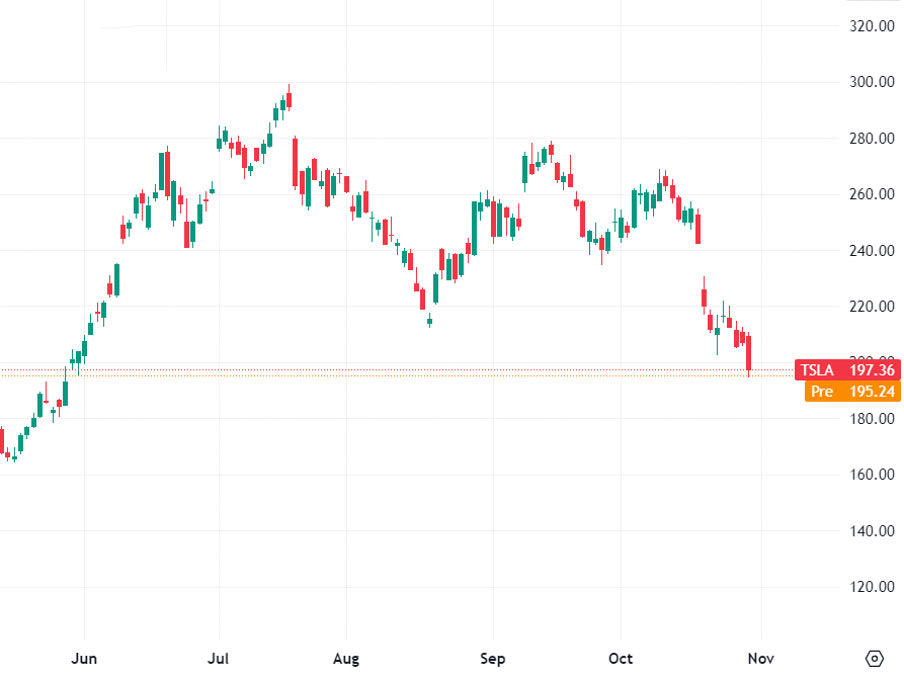
- Shorting a Reversal. This strategy involves identifying a stock transitioning from an uptrend to a downtrend, using technical indicators or chart patterns to predict this shift. For instance, a "death cross" occurs when a longer moving average crosses over a shorter one, signaling a potential bearish trend. Chart formations like head and shoulders, rising wedges, and double tops, along with reversal candlestick patterns, can indicate trend reversals.
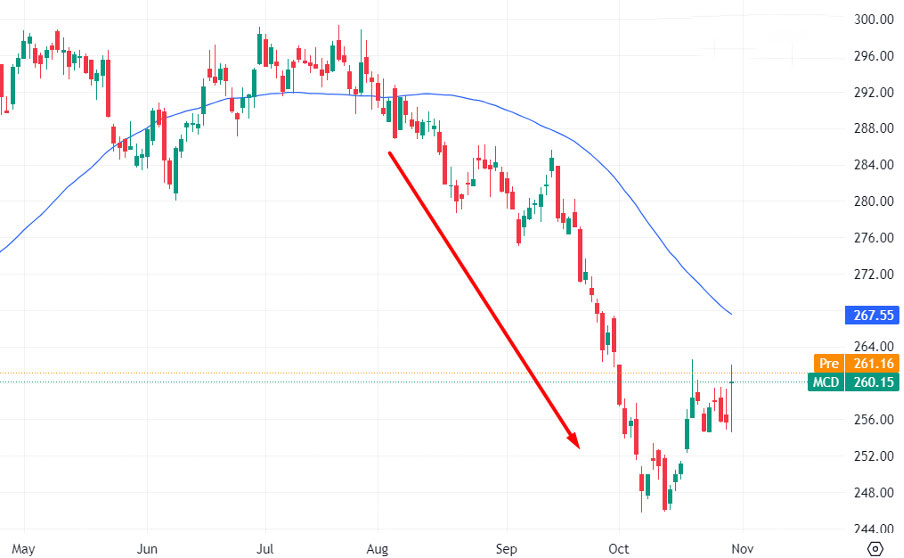
- Shorting an Existing Downtrend. In this approach, you enter a short position when an asset is already trending downward. The strategy aims to profit from the asset's continued decline. A common method is using moving averages, such as shorting a stock when it breaks below a 50-day moving average and exiting if it crosses back above.
- Shorting a Breakdown after Consolidation. Here, the focus is on shorting an asset during a consolidation phase, anticipating a bearish breakdown. Traders often place a Sell Stop order just below a strong support level, triggering a short sale when the price falls below this threshold.
- Shorting a Pullback. This riskier strategy involves shorting during an asset's uptrend, targeting short-term pullbacks. However, this approach comes with the risk of the asset continuing its upward trajectory, limiting the potential for profit.
Best Practices in Short Selling
To effectively engage in short selling, certain best practices are crucial:
- Stay Informed with Market-Moving News. Monitoring news that can significantly impact stock prices is essential. Developments like geopolitical events, earnings reports, and regulatory changes can drastically affect asset values. Keeping tabs on financial news and social media platforms is crucial for timely information.
- Analyze Asset Volume. Trading volume offers insights into the strength of market movements. High volume during price drops can reinforce the validity of a short selling opportunity.
- Implement Stop Loss and Trailing Stop Orders. Using Stop Loss and trailing stop orders is critical for managing risk in short selling. These tools limit potential losses by automatically closing trades when the price moves unfavorably.
- Adapt to Changing Market Conditions. Flexibility in adjusting positions to changing market scenarios is key. This adaptability can help mitigate risks and capitalize on emerging opportunities.
- Target Overvalued Hyped Companies. For long-term shorts, focusing on overvalued companies, especially those surrounded by market hype, can be a fruitful strategy. Identifying peaks in sectors like EVs or ESG investments can provide lucrative short selling opportunities.
Conclusion: Mastering Short Selling for Market Success
Short selling, when executed with strategic acumen and a deep understanding of market dynamics, can be a highly effective trading tool. Each strategy, whether capitalizing on reversals, downtrends, breakdowns, or pullbacks, offers unique opportunities and demands careful consideration. Coupled with best practices like staying informed, analyzing volume, implementing risk management measures, adapting to market changes, and targeting overvalued assets, traders can enhance their short selling effectiveness. Mastering these techniques enables traders to confidently navigate market fluctuations and succeed in the challenging yet rewarding world of short selling.


