


In today's increasingly interconnected global economy, Indian Small and Medium Enterprises (SMEs) are no longer confined by domestic borders. Whether you're importing raw materials, exporting finished goods, or even just paying for overseas software services, your business is inevitably interacting with the vast and dynamic world of foreign exchange. This interaction takes place within the intricate Forex trading environment, a complex ecosystem that can significantly influence your operational costs, profit margins, and overall competitiveness.
Many SMEs perceive Forex as a daunting realm, best left to large corporations and financial wizards. However, gaining a foundational understanding of this environment isn't just beneficial—it's becoming essential for sustainable growth and risk management. This article aims to demystify the Forex landscape for Indian SMEs, highlighting how its various components can directly affect your business and what you can do to navigate it more effectively.
Understanding the Structure of the Forex Market
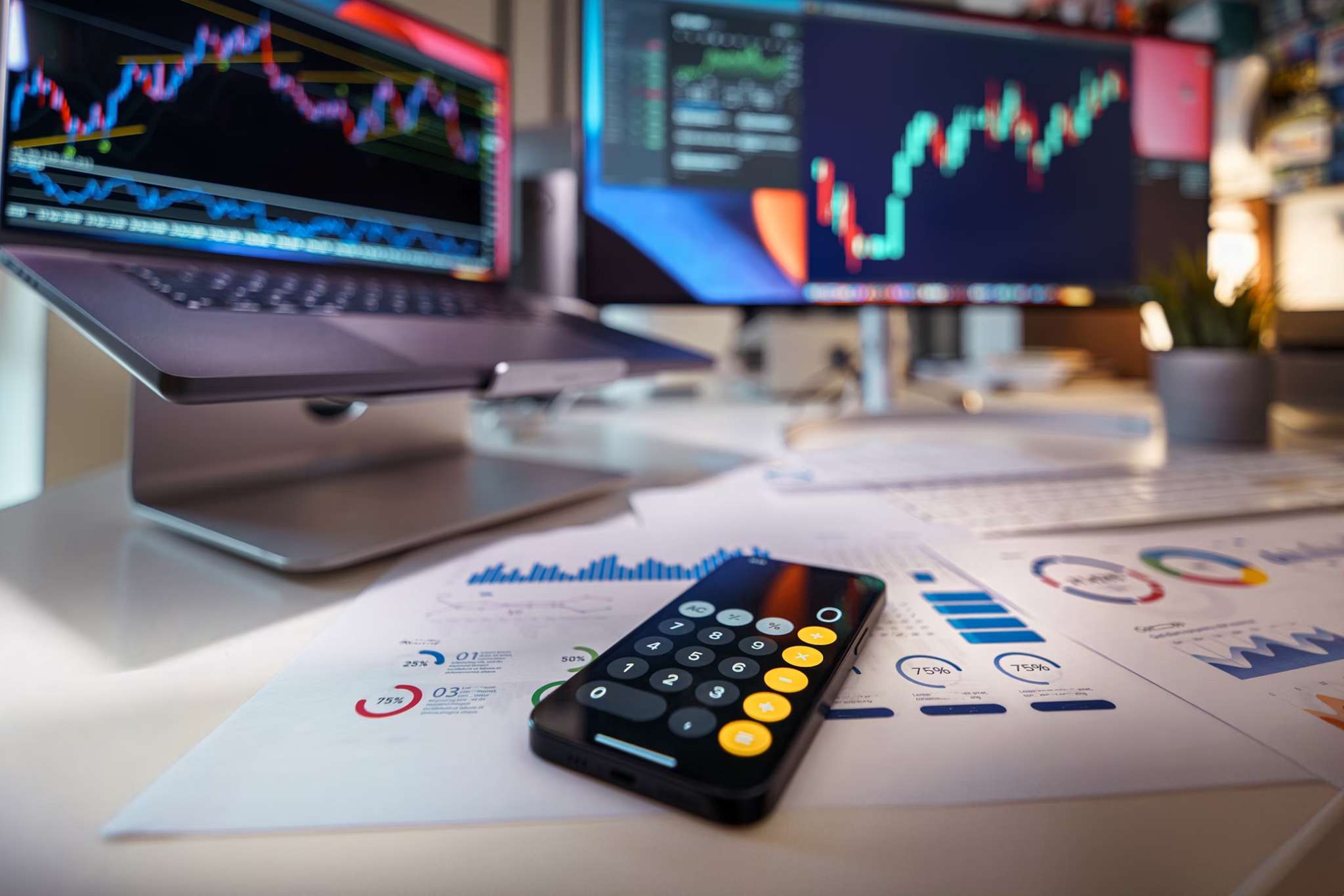
Image credit: Unsplash
At its core, the Forex market is composed of three main segments: the spot market, the forward market, and the futures market. Each serves different strategic needs, especially for SMEs involved in cross-border trade.
-
Spot Market: This is the most active and liquid segment, where currencies are exchanged immediately at prevailing market rates. Settlements typically occur within two business days. SMEs often use the spot market for urgent needs, such as paying overseas suppliers or converting revenue.
-
Forward Market: Forward contracts allow businesses to fix exchange rates for future transactions, helping mitigate the risk of unfavorable currency movements. For instance, an Indian exporter awaiting a euro payment might lock in today's rate to ensure revenue certainty.
-
Futures Market: Unlike forwards, futures contracts are standardized and traded on regulated exchanges like the CME. While less common among SMEs due to their complexity and margin requirements, futures can be useful for hedging substantial or recurring exposures.
The decentralized nature of Forex trading means no single entity controls prices. Instead, rates emerge from the interplay of central banks, commercial banks, hedge funds, corporations, and retail traders. Platforms like marketsforyou bridge these tiers, offering SMEs access to institutional-grade tools for analyzing and executing trades
Key Participants Shaping the Forex Trading Environment
The Forex ecosystem involves diverse participants, each influencing market liquidity and volatility in different ways. Understanding these players helps SMEs navigate market movements more effectively.
-
Central Banks
Monetary policy decisions such as interest rate adjustments and open market operations—can dramatically influence exchange rates. For example, a rate hike by the U.S. Federal Reserve often strengthens the dollar, while easing policies by the Reserve Bank of India (RBI) may weaken the rupee. SMEs with exposure to USD/INR must keep a close eye on these developments. As Reuters reports, central bank policy is often the biggest driver of currency volatility. -
Commercial Banks
Global financial institutions such as JPMorgan Chase, Citibank, and HSBC play dual roles: facilitating client transactions and engaging in proprietary trading. Their vast liquidity provision means they influence short-term price movements and provide the infrastructure for much of the global Forex activity. -
Multinational Corporations
Large corporations like Apple or Tata Motors regularly hedge foreign revenues and expenses to maintain predictable cash flows. According to Investopedia, many global MNCs often use forward contracts to stabilize revenue, minimize risk, and increase earnings consistency—strategies SMEs can adapt on a smaller scale. -
Retail Traders and SMEs
The rise of digital platforms has democratized Forex access, enabling smaller businesses and individuals to participate. However, SMEs must contend with tighter spreads and lower leverage compared to institutional players, making knowledge and strategy essential.
Strategic Currency Risk Management for SMEs
The primary concern for SMEs in the Forex market is volatility. Exchange rates can change rapidly due to a multitude of factors, including economic data releases (like GDP growth, inflation, employment figures), geopolitical events, and shifts in market sentiment. This volatility introduces uncertainty into an SME's financial planning. Fortunately, several proven strategies can help SMEs manage currency risks more effectively
Hedging Approaches
This is perhaps the most crucial aspect for SMEs. Hedging involves using financial instruments to protect against adverse currency movements. Common hedging tools include:
-
Forward Contracts – Secure future exchange rates, especially useful for predictable receivables or payables.
-
Currency Options – Offers the right, but not the obligation, to transact at a set rate. More flexible but comes with a premium.
-
Natural Hedging – Match currency inflows and outflows. For instance, a business paying suppliers in euros and also billing European clients in euros reduces net exposure.
Technology-Driven Tools
The key is not to try and "beat the market" through speculation, but to implement a risk management strategy that aligns with the business's objectives and risk appetite. Platforms like Markets4you offer SMEs features such as rate alerts, real-time market tracking, and algorithmic trading. These tools enable businesses to automate currency conversions at favorable rates, helping them save on both time and costs.
Regulatory Compliance
Regulations vary by country and transaction size. For instance, the Reserve Bank of India mandates documentation for Forex transactions exceeding $250,000. Failing to meet these requirements can lead to penalties or operational delays. SMEs must stay compliant with guidelines set by both local authorities and international regulators.
Practical First Steps for Indian SMEs in the Forex Arena
For many Indian SME owners, the very mention of the "Forex world" can conjure images of complex charts and fast-paced trading floors, making it feel rather overwhelming. But here’s the good news: navigating this space doesn't have to be an intimidating ordeal. With a structured, step-by-step approach, you can transform foreign exchange from a source of anxiety into a manageable aspect of your international business toolkit.

Image credit: Unsplash
Uncover Your Currency Hotspots: Assessing Your Exposure
The very first, and arguably most crucial, step on your Forex journey is to conduct a thorough internal audit. Before you can manage risk, you need to know exactly where it lies. This involves meticulously identifying and quantifying your business's unique exposure to foreign currency fluctuations. Dive into your transaction records, listing every instance where payments are made or received in a currency other than the Indian Rupee. Note the typical values involved and, importantly, the timing of these cross-currency cash flows. Gaining this granular understanding forms the bedrock of any effective Forex strategy.
Knowledge is Power: Educating Yourself and Your Team
With a clear picture of your financial landscape, the next move is empowerment through education. It's vital to ensure that you and your key team members grasp the basics of how the Forex market operates. This means understanding what drives exchange rate movements, from economic indicators to geopolitical events, and becoming familiar with the common risks that currency volatility can introduce to your bottom line. Thankfully, a wealth of accessible online resources, primers from financial institutions, and insights from platforms focusing on the Forex trading environment are readily available to build this foundational knowledge.
Seek Wisdom: Consulting with Forex Professionals
Armed with self-awareness about your exposure and a foundational understanding of the market, you're now well-prepared to engage with experts who live and breathe foreign exchange. Don't hesitate to speak with your business's bank, or better yet, seek out a reputable financial advisor or a specialized Forex broker who has demonstrable experience working with SMEs. These professionals can offer tailored insights, helping you dissect the specific currency risks your enterprise faces and illuminating the various hedging instruments and strategies available to protect your business.
Chart Your Course: Developing a Forex Risk Management Policy
The insights gained from expert consultation will naturally guide you towards the next logical step: formalizing your approach by developing a clear Forex risk management policy. This doesn't need to be an intimidating, lengthy document. Instead, think of it as a practical guide or a strategic blueprint for your business. It should clearly outline your company’s philosophy towards managing currency risk, specify the types of protective financial tools (like forward contracts or currency options) you might consider using, and delineate the specific circumstances or thresholds that would trigger their deployment.
The goal for an SME should be to minimize uncertainty and protect profit margins from the vagaries of currency movements. While there's a learning curve, the benefits of a well-thought-out Forex strategy can be substantial, contributing to financial stability and supporting international growth ambitions. As India continues to integrate more deeply with the global economy, a proactive approach to the Forex trading environment will become increasingly vital for SME success.
Final Thoughts: Embracing Global Opportunities with Confidence
The Forex trading environment, while complex, is an unavoidable aspect of international business for Indian SMEs. Rather than viewing it as a threat, understanding its mechanics and implications can empower businesses to manage risks effectively and even leverage opportunities. By educating themselves, seeking expert advice, and implementing appropriate strategies, SMEs can navigate the global financial currents with greater confidence, protecting their hard-earned profits and paving the way for sustainable international growth. The journey begins with acknowledging its importance and taking those initial steps towards informed financial management.


