


The online world has grown rapidly, providing a diverse range of financial opportunities that were previously limited to traditional marketplaces.
Forex trading, which stands for foreign exchange trading, is the speculation on price changes between different currency pairs.
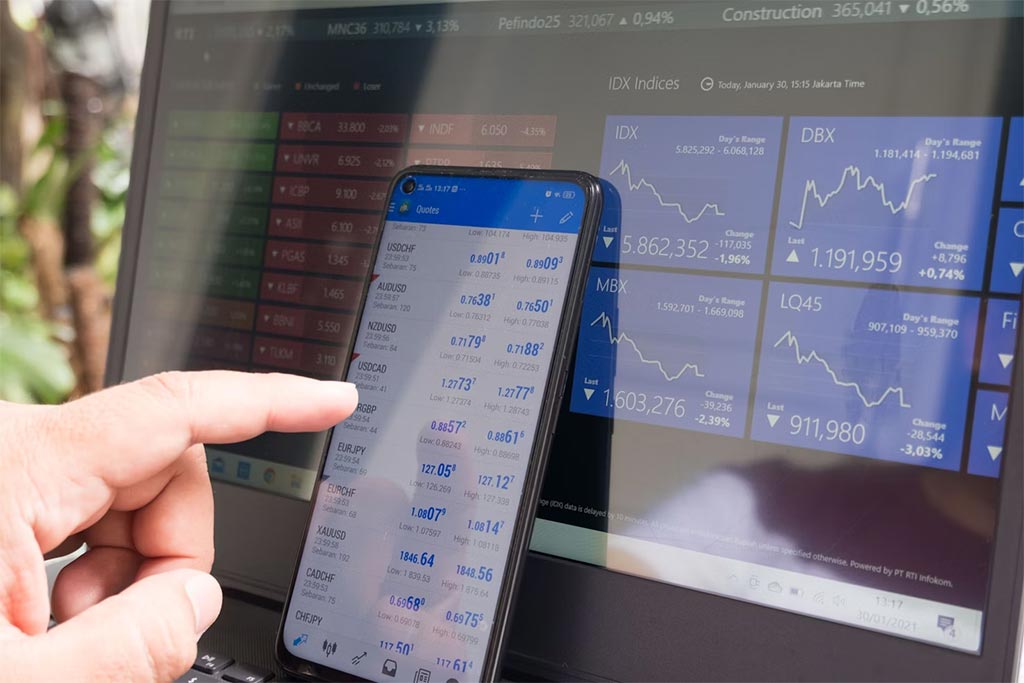
In today's globalized digital economy, online businesses, from e-commerce platforms to digital marketing agencies, can effectively transact by partnering with a Forex broker.
To illustrate, a software development firm working with overseas customers might have to convert several currencies in real-time easily. At the same time, an online consulting agency can use hedging tools to prevent revenue yield erosion from wild exchange rates. As well in groups like team ignition spent painting and the global operations, besides which a Forex broker shares the knowledge he has on a Forex broker that allows him to blood and in volatile markets and earn the company healthy profits even in stormy situations is a simple effective way to standardize processes.
Traders seek to profit from exchange rate swings by purchasing one currency and selling another.
The currency market is the world's largest and most liquid financial market, transacting approximately $7.5 trillion daily. This liquidity enables traders, from small retail investors to large financial institutions, to quickly enter and exit positions.
To begin forex trading, open an online trading account with a forex broker, deposit funds, and start trading currency pairs.
Brokers make their money from the bid-ask spread, the difference between what buyers pay and what sellers receive for a currency pair. This spread impacts your transaction expenses. Thus, it is crucial to consider when choosing a broker.
Selecting the correct forex broker is critical to your success. It's not just about picking any platform; it's about choosing a partner who shares your trading goals and techniques.
When considering brokers, essential elements to examine are regulatory compliance to protect your funds' security, the quality and usability of their trading platforms, and the availability of dependable customer service.
1. Regulatory Compliance and Safety
Regulatory compliance is critical for creating a secure and fair trading environment in FX markets.
Regulated brokers must follow tight criteria to protect customer money and ensure market integrity.
Traders should prioritize using a regulated broker, ensuring that their funds are protected and that trading methods adhere to legal and financial guidelines.
Why Regulation Matters
Regulation is critical because it requires brokers to retain adequate liquid capital, separate client funds from corporate accounts, and follow stringent safety protocols.
These restrictions increase investor confidence while lowering the danger of fraud or unethical behavior.
Unregulated brokers pose considerable risks, such as engaging in fraudulent behavior or providing risky trading settings.
To protect yourself, check a broker's regulatory status. Regulated brokers are overseen by reputable bodies such as the FCA, ASIC, and CFTC.
To confirm legitimacy, always examine a broker's website for license information and cross-reference it with the official regulator's portal.
Adhering to regulatory standards is more than just compliance; it demonstrates a dedication to ensuring a fair and secure trading environment for all participants, protecting traders from potential dangers while maintaining the integrity of the forex market.
2. Understanding Fees and Commissions
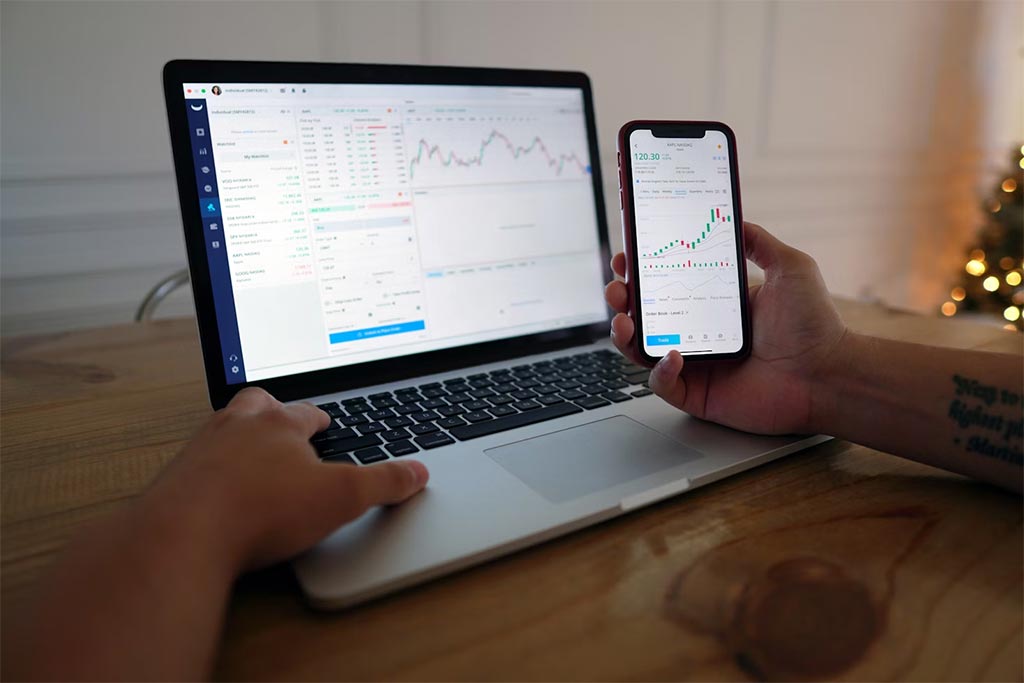
Understanding obligatory charges in forex trading, such as commissions, spreads, and rollover fees, is critical for-profit management.
These costs can significantly impact your bottom line. Because they vary by broker, it's critical to research several brokers to find the most cost-effective trading conditions.
Choosing brokers with transparent charge structures is critical to guarantee cost-effective trading.
Types of Trading Costs
The spread, or the difference between the buying and selling prices, is the fundamental expense of forex trading.
Dealing Desk brokers usually charge only spreads, whereas ECN brokers charge both spreads and commissions. Lower spreads provide cost savings.
Holding overnight investments results in rollover costs governed by currency-specific interest rates.
Understanding these fees enables traders to evaluate expenses and design methods to optimize profits precisely.
Comparing broker fees is critical for determining the most cost-effective alternative, as reduced spreads and charges can cut overall trading expenses, affecting profitability.
Effect of Fees on Profitability
Excessive fees might reduce earnings, making it more challenging to attain profitable results. Choosing lower-fee brokers and understanding cost structures can help traders optimize profits, improving market performance.
Incorporating fee knowledge into tactics is critical for better trade management and increased profitability.
3. Evaluating Trading Platforms
Trading platforms are essential for forex trading because they bridge the gap between traders and the market.
New traders frequently prefer user-friendly platforms that provide easy access to currency markets.
A robust trading platform should provide seamless navigation, quick execution times, and a variety of payment alternatives for the best experience.
Key Features of a Good Trading Platform
A high-quality trading platform must provide customized features, automated trading options, and quick execution times, critical for accurate pricing, particularly in unpredictable markets.
Platforms like MetaTrader 5 and cTrader are well-known for their extensive features, which include technical analysis tools and automated trading capabilities.
Using demo accounts, such as those provided by AvaTrade or Dukascopy, traders can experiment without risking their money, allowing them to understand the platform and develop their methods.
4. Customer Support and Service Quality
Customer assistance is critical in forex trading for resolving issues and gaining traders' trust.
Prompt assistance is critical for a smooth trading environment, and brokers must guarantee that their support teams are responsive and available.
Customer support proficiency, availability, and reaction time are essential variables when evaluating a broker's service quality.
Importance of availability and communication channels
Brokers should provide 24-hour customer service to fulfill the needs of traders in diverse time zones.
Quick reactions are critical, as delays can lead to missed opportunities and financial losses.
Brokers should offer several communication methods, including live chat, email, and phone, to guarantee that traders may readily contact them.
User comments and testimonials help measure the quality of customer service. Positive user experiences imply dependable service, which increases customer happiness and leads to a trader's overall performance.
When evaluating brokers, consider both the availability of help and user-reported experiences.
5. Variety of Trading Instruments
A trading instrument is any asset that may be traded, including commodities, equities, indices, currency pairings, and cryptocurrencies.
A wide choice of products enables traders to diversify their portfolios and manage risk more effectively.
Engaging with diverse instruments other than currency pairs provides distinct opportunities while lowering reliance on currency movements.
Major Currency Pairs and Additional Instruments
Major currency pairings, such as EUR/USD and USD/JPY, have significant liquidity and low spreads, making them ideal for efficient trading.
Traders gain from liquidity and low transaction fees. In addition to currency pairs, brokers should offer access to commodities, indexes, and digital currencies.
This diversification allows traders to reduce risk while seizing opportunities in more volatile assets.
Brokers must provide various instruments, allowing traders to match their tactics with market circumstances and react to various scenarios.
A diverse range of trading options increases flexibility and possible profitability, ensuring a comprehensive approach to forex trading.
6. Deposit and Withdrawal Options
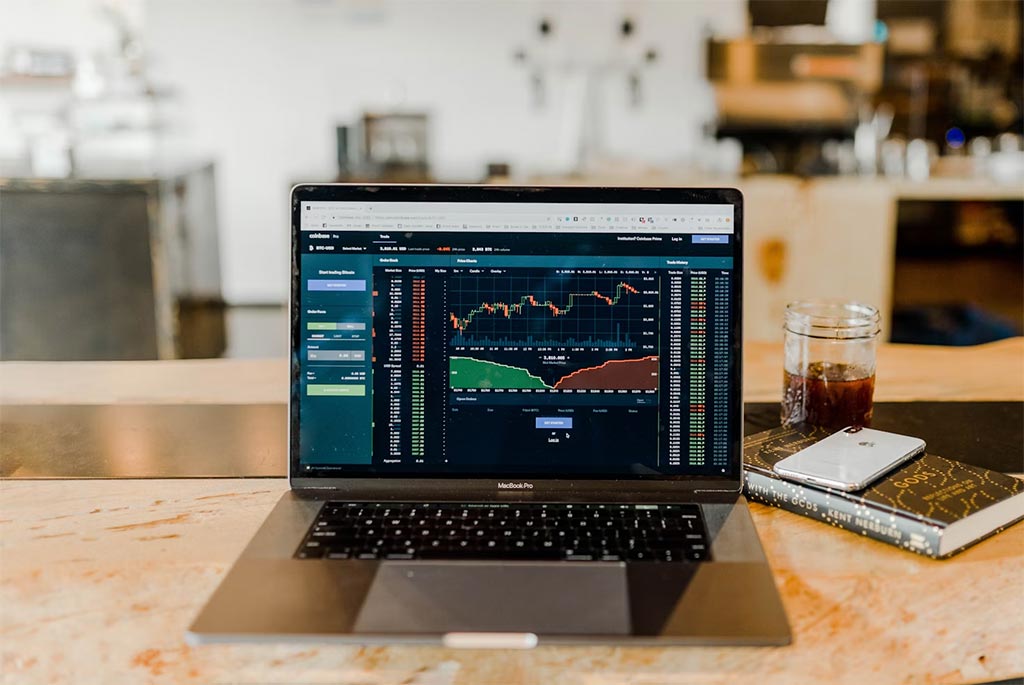
A simple, speedy deposit and withdrawal process is vital for a successful forex trading experience. Withdrawing funds can result in delays of up to a week.
Bank transfers are frequently advised for quick access to trading capital, although e-wallets provide fast processing and robust security measures.
Bank wire transfers remain a secure option for large transactions, but cryptocurrencies are popular due to their fast transaction times, which appeal to traders looking for speedy deposits and withdrawals.
Popular Payment Methods and Processing Time
Traders can pay with credit cards, bank transfers, e-wallets, and cryptocurrencies, whether domestic or international; bank transfers might take one to five business days to process.
Understanding processing times and associated fees is critical for efficiently managing trading costs. Selecting convenient and secure payment channels increases trust and improves the whole trade experience.
It is vital to note that withdrawals are typically performed through the same channel as deposits to ensure security and traceability.
7. Reputation and Reviews
Reputation is critical when evaluating forex brokers, and it can be determined through user evaluations and feedback from the trading community.
Trustworthiness frequently comes from community input, highlighting both positive aspects and places for growth.
Furthermore, outstanding customer service is critical for preserving client happiness and timely resolution of difficulties, directly impacting traders' success.
The Value of User Reviews, Awards, and Financial Stability
User evaluations, particularly those from respected platforms or forums, provide helpful information about broker reliability.
Recurring themes assist merchants in determining the quality of service provided. Industry awards from reputable institutes bolster a broker's credibility and performance.
Financial stability is also vital, with regulations ensuring customer cash safety. Verifying a broker's regulatory status through formal channels provides security and promotes ethical trading.
Unregulated brokers can pose serious dangers, such as mismanagement of cash or fraud. As a result, selecting a financially stable, registered broker is critical to ensuring safe trading activity.


