In keeping up with its clarity principle , the international broker Octa makes clear one aspect of trading at a time. Learn everything you need to know about CFD trading, simply and transparently. With countless abbreviations and numerous strange and unfamiliar terms, the world of finance can be confusing. One such commonly used word is ‘CFD’. The Octa experts explain what it is exactly and how you can profit from it below.
A contract for difference (CFD) is a derivative instrument that allows traders to speculate on the prices of various assets without actually owning them. CFDs are traded between traders and brokers, where the trader agrees to exchange the difference in the price of an asset from the time the contract is opened to when it is closed. In CFD trading, traders can profit from both rising and falling markets using long and short positions.
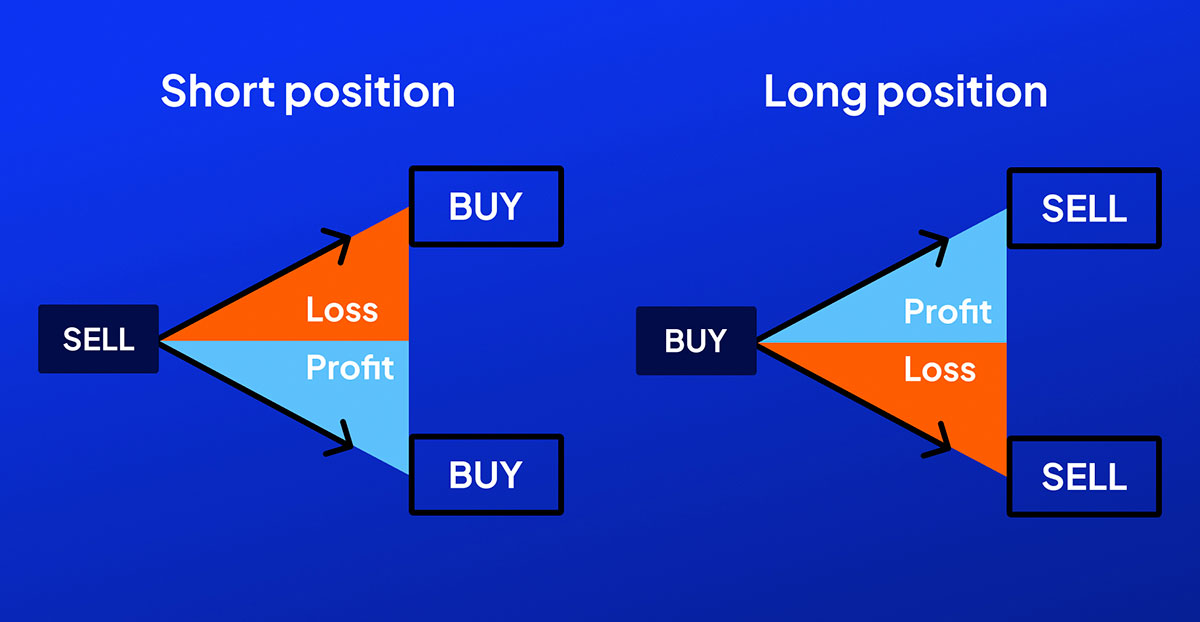
There are several types of assets you can trade with almost any CFD broker. Those include currencies, commodities (such as gold, silver, crude oil, natural gas, and others), indices, stocks, and cryptocurrencies. They are mostly represented in pairs, e.g. EURUSD, XAUUSD, BTCUSD. Indices and stocks have ticker symbols, such as NAS100 (Nasdaq 100), AMZN (Amazon), and TSLA (Tesla).
Like any form of trading, CFD trading has its own set of advantages and disadvantages.
Advantages of CFD trading
Disadvantages of CFD trading
Simply put, a CFD broker, such as Octa, is a service that provides intermediary services between an individual trader and the global markets. Retail traders cannot execute orders there on their own when it comes to financial markets with trillions of U.S. dollars in daily turnover. CFD brokers give access and all the necessary tools for market participation, including trading instruments, platforms, indicators, analytics, educational materials, and much more.
The three most common fees in CFD trading are spreads, swaps, and per-trade commissions.
To enhance trading opportunities and make trading more accessible for its clients, Octa decided not to charge any fees except for spreads.
It's essential to carefully read and understand the terms and conditions provided by your chosen CFD broker. Before you start trading, consider the total cost of trading, including spreads, commissions, swaps, and any other fees. Additionally, be aware of how leverage can magnify both potential profits and losses, which can significantly impact your overall trading costs. It is crucial to evaluate these costs to manage your risk and maximise your potential returns in CFD trading.
Top Rated Forex Brokers


Professional, research-oriented framework for comparing brokers. It explains why comparative analysis is essential, defines absolute versus relative comparison criteria, analyzes the role of geography, and provides a detailed comparison table.
This article explores the benefits and risks associated with using Forex Expert Advisors, providing insights into how traders can maximize their potential while mitigating potential downsides.
By prioritizing factors such as overall rating, regulatory compliance, trading conditions and platform reliability traders can make an informed decision that aligns with their trading needs and aspirations, setting the stage for a potentially prosperous trading journey.
Key Factors to Consider When Choosing a Forex Advisor. Risk Management. Fees and Costs. Compatibility with Your Trading Style.
Forex forecasts are constructed using market data that includes historical prices, trading volume proxies, volatility measures, and macroeconomic indicators. Price history plays a central role because financial markets exhibit conditional patterns, such as momentum and mean reversion, that can be statistically observed.
Expert Advisors (EAs) Rating features high-quality Free and paid Forex EA most popular on the market today.


