


 Written by
 Trading is an art and science that, if mastered, can exponentially increase one's capital. Technical analysis stands as the key pillar in this arena. Delve into its intricacies with us! Technical Analysis is a systematized approach employed by traders to predict price movements and trends by examining market data, primarily price and volume.
This method is universally applicable across assets, from traditional commodities, forex, stock indices to digital assets like Bitcoin and cryptocurrencies. Traders use statistics, patterns, trendlines, indicators, and more to forecast the potential trajectory of an asset and enhance their investment strategies.
Historical Context of Technical Analysis
Technical analysis traces back to Charles Dow in the 1800s. Dow's legacy is prominently remembered through the Dow Jones Industrial Average. However, Dow isn't the lone contributor; several luminaries have expanded on his theories, creating an array of tools, indicators, and methodologies.
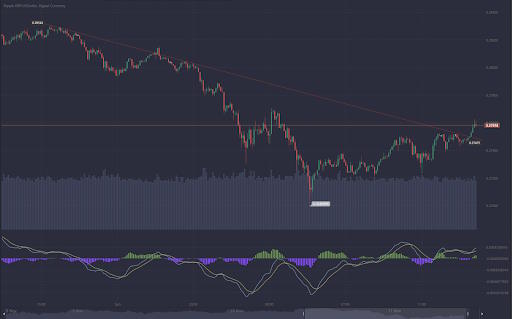
Luminaries such as Jesse Livermore, William Delbert Gann, who intriguingly incorporated astrology into his forecasts, and billionaire investors like George Soros, Steven Cohen, and Ray Dalio have enriched the domain with their insights and innovations.
Contrasting Technical and Fundamental Analysis
Technical analysis primarily focuses on charts, trendlines, and timelines, whereas fundamental analysis delves deep into financial statements, long-term perspectives, and macroeconomic factors, such as an asset’s impact on the economy or regional politics.
In essence:
- Technical Analysis: Short to long-term price movement predictions.
- Fundamental Analysis: Assesses long-term viability and overall market health.
Core Principles of Technical Analysis
- Price Reflects Everything: Market prices encapsulate every factor affecting them, from supply and demand, emotions, news, to macro elements like politics.
- Price Moves in Trends: Price movements form patterns or trends. Recognizing these is crucial as they can hint at future market behavior.
- History Often Reiterates: Historical patterns and trends tend to recur. Recognizing these cycles can provide insights into potential future trends.
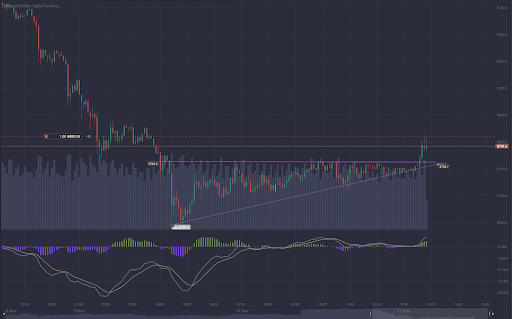
Essential Technical Analysis Tools
- Trend Lines: These help identify the general direction in which the asset price is moving.
- Support and Resistance Levels: They pinpoint areas where a stock could potentially change its direction.
- Moving Averages: Averages indicating the trend direction and potential support or resistance levels.
- Trading Volume: Indicates the interest level in an asset.
- Chart Patterns: Patterns like triangles can suggest future price directions.
- Candlesticks: Shapes or patterns that can be used to predict potential price movements.
- Fractals: Repeated patterns providing insights into market cycles.
- Indicators: Including the Stochastic Oscillator, Bollinger Bands, MACD, and many more.
Technical Analysis in Practice
- Example 1: Gold Market by Peter Brandt - Through chart patterns, trend lines, and support and resistance levels, Brandt accurately predicted a rise in gold prices.
- Example 2: Bitcoin Market Analysis by Bloomberg - By evaluating moving averages and the MACD, a potential bearish trend was identified for Bitcoin.
Trader's Wisdom
Successful trading isn't merely about tools and data; it's about cultivating the right mindset.
- Emotion Detachment: The quintessential skill. Decisions fueled by emotions like fear or greed often lead to losses.
- Prior Planning: Always have a comprehensive plan, including entry and exit points.
- Choosing the Right Platform: A platform should be reliable, have the necessary tools for technical analysis, and offer assets that align with the trader's interest.
In the dynamic world of trading, technical analysis remains an indispensable ally for traders. Mastering its tools and principles can greatly enhance a trader's success rate.


