HFM information and reviews
HFM
96%
FXCC information and reviews
FXCC
92%
FxPro information and reviews
FxPro
89%
FBS information and reviews
FBS
88%
XM information and reviews
XM
86%
Exness information and reviews
Exness
86%

Reading Forex Charts: Decoding Patterns, Indicators, and Informed Decisions


Anna Segal   Written by Anna Segal

In the world of forex trading, understanding price movements is paramount. Forex charts serve as the canvas upon which traders analyze historical and current price data to make informed decisions. This article serves as a beginner-friendly guide to reading forex charts, deciphering candlestick patterns, and utilizing technical indicators to navigate the complexities of the market.

Understanding Forex Charts

Forex charts visually represent the price movements of currency pairs over specific timeframes. There are various types of charts, but the most commonly used are line charts, bar charts, and candlestick charts. Candlestick charts, in particular, are renowned for their ability to convey a wealth of information in a single candle.

Decoding Candlestick Patterns

The Basics of a Candlestick: Each candlestick consists of a body and wicks (also known as shadows). The body represents the opening and closing prices, while the wicks extend above and below the body, indicating the high and low prices during the timeframe.
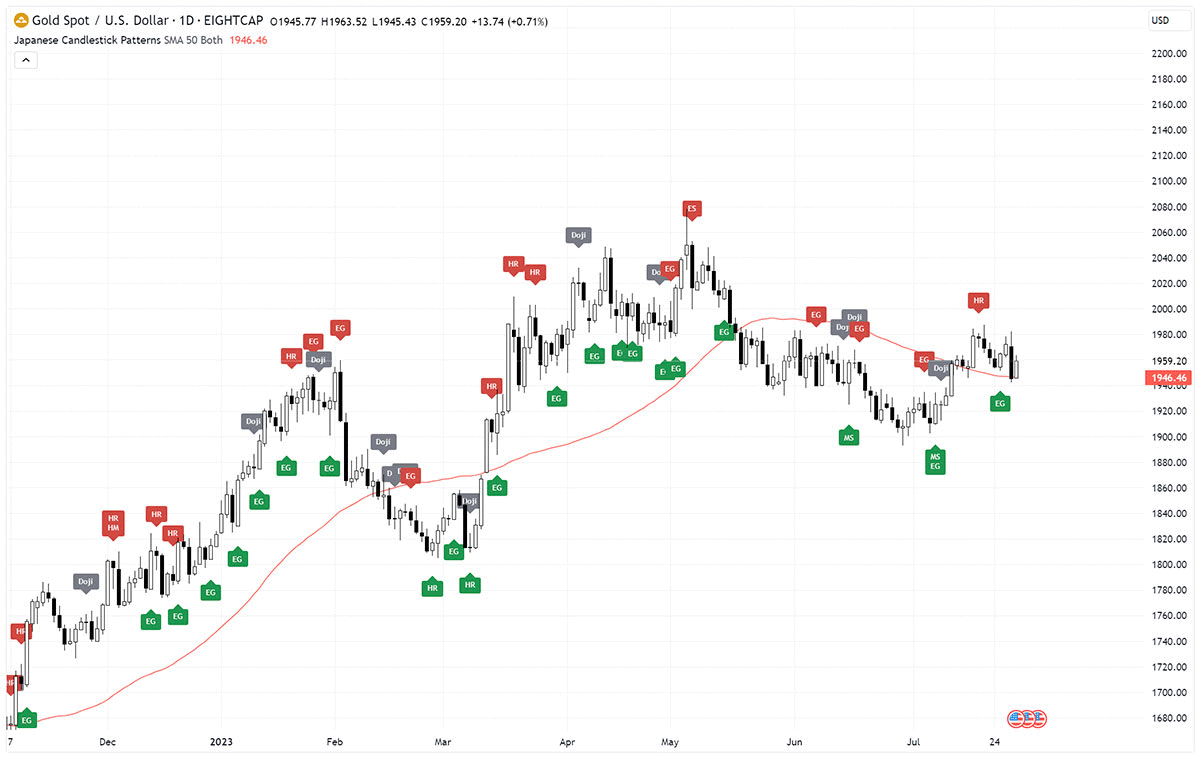
Japanese Candlestick Patterns

Japanese Candlestick Patterns

Bullish and Bearish Candles: Bullish candles have a higher closing price than opening price, signifying buying pressure. Conversely, bearish candles have a lower closing price than opening price, indicating selling pressure.

Candlestick Patterns: Patterns formed by candlesticks provide insights into potential price movements.

Examples include:

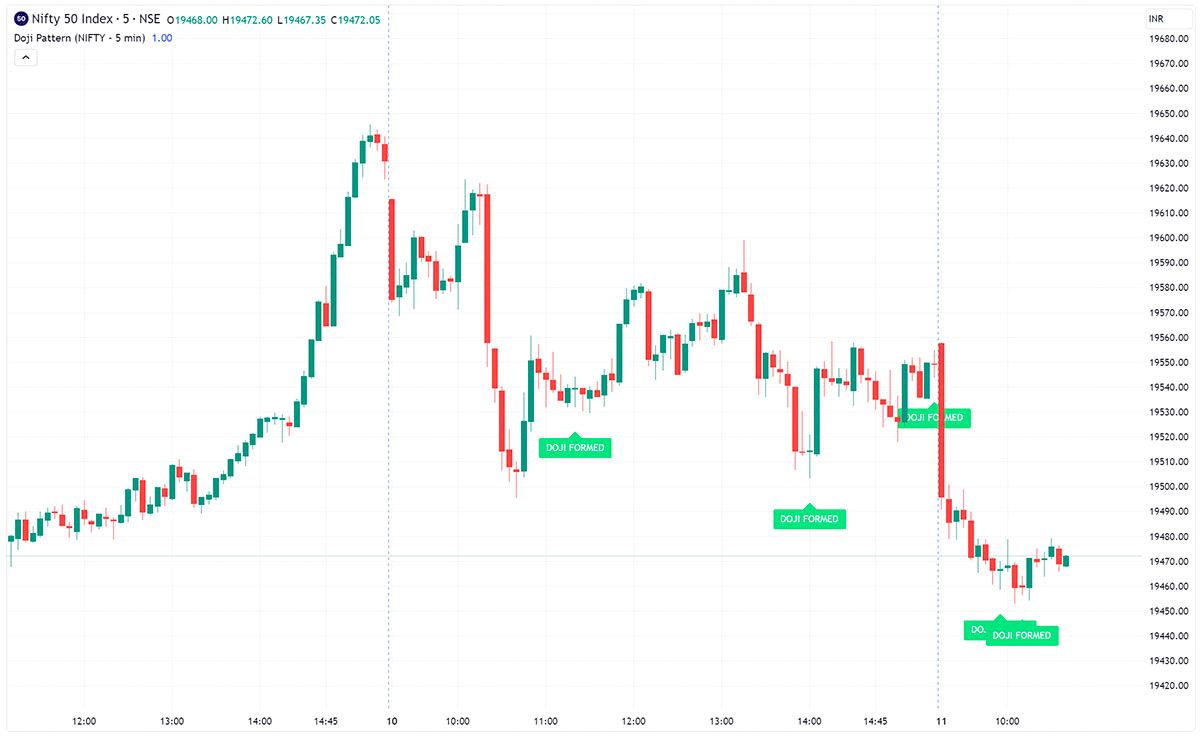
Doji Candle Indicator

Doji Candle Indicator

Using Technical Indicators

Technical indicators are tools that help traders interpret price data and forecast potential future movements. Here are a few commonly used indicators:

Making Informed Trading Decisions

Reading forex charts is an art that requires practice, observation, and continuous learning. Understanding candlestick patterns and utilizing technical indicators provide traders with valuable insights into price movements. While technical analysis is a powerful tool, it's important to remember that no method guarantees success. Traders should approach the market with caution, discipline, and a solid understanding of both technical and fundamental factors to make informed trading decisions.


RELATED

The Most Popular Myths About Bitcoin Debunked

During the existence of bitcoin and other cryptocurrencies, a large number of erroneous judgments have appeared about them, which continue to spread among people even now...

The future of cryptocurrencies

Examine the recent events in the cryptocurrency market and find out if cryptocurrencies are the unicorn of the 21-st century or the money of the future. When the world heard about...

What are some advantages of CFD trading?

Contract-for-difference (CFD) trading is a popular alternative to traditional investment. Over the past decade, its popularity has increased considerably while the specific features offered...

Common Trading Mistakes and How to Avoid Them

Have you ever wondered what helped all those professionals of Wall Street become successful? You will be surprised, but the key to their reached heights is hidden in their mistakes...

What Is a Stock Index?

A stock index is used to describe the stock market's performance or a specific part of it and compare the returns on investments. In general, an index uses a weighted average of stock prices...

Top Forex Trading Tips For Beginners

Want to know the best trading tips today to use to your advantage in the Forex market? This article will break down good trading tips you should consider using...

Why Trade Indices

Indices trading describes the buying and selling of a specific stock market index. An index shows the performance of a group of stocks. When the price of a group of stocks go up...

Trading Metals: A Comprehensive Guide for Beginner Traders

Metals trading, encompassing a spectrum from gold to nickel, offers unique opportunities in the financial market. For beginner traders, metals provide a stable, diverse, and intriguing avenue for investment and speculation...

An Introduction to Contract for Difference (CFD) Trading

Contract for Difference, or CFD is an agreement made between two parties, the buyer and the seller (CFDs broker and client), stating that the buyer should pay...

What Are Swaps In Trading, And What Are They Used For?

Swaps help all market participants to enter into contracts that will be profitable in a particular situation. They reduce the risk of market transactions and can increase potential profits...

Mastering the Art of CFD Trading: A Comprehensive Guide

Contracts for Difference (CFD) trading is rapidly evolving as one of the most sought-after instruments in the financial market. Its flexibility across various market sectors...

Seven Tips for Trading Gold Forex (XAU/USD)

Trading gold forex (XAU/USD) has become more popular as forex, silver traders or metal traders look for positions that have the potential to go against inflation or market volatility...

What is a Good Profit Margin in Trading?

Profit margin measures the earnings relative to the revenue. The three main margin metrics are gross profit margin, operating profit margin, and net profit margin...

Three key aspects of a trustworthy broker

In recent years, trading on financial markets, especially Forex, has proven to be a viable and popular source of consistent gains with potential immediate returns. With that in mind, many aspiring traders embark on their journey in search of financial freedom — and inevitably face the challenge of choosing a broker they can rely on.

Earnings Season - Meaning, How To Make Its Best Use?

Traditionally, the earning season is a favorite time of year for active traders. This is a time when the potential for making profits increases many times over...

How to trade stocks and CFDs on stocks

We continue our series of articles on choosing a trading instrument. This time you will learn what CFDs on stocks are, how to trade them and how...

The Advantages of Commodities Trading

Commodity trading relates to the buying and selling of a large range of instruments including oil and gas, metals and cocoa, coffee, wheat and sugar. Commodities are categorised as hard and soft...

How to Trade Online with AvaTrade?

If you are just starting out in the world of online trading, it may feel a bit daunting, But have no fear as AvaTrade are here to support you every step of the way. With us, you will learn...

Embarking on ETF Trading: A Beginner's Guide

Entering the world of Exchange Traded Funds (ETFs) trading might appear daunting to newcomers, but it's a surprisingly accessible endeavor, thanks to the abundance of online resources and tools available today...

Investing vs Trading

Investing vs trading are two different approaches to making money in the financial markets. While both seek to make a return through market participation, they differ in terms of their profit goals and execution of financial strategies...

FP Markets information and reviews
FP Markets
81%
IronFX information and reviews
IronFX
77%
AMarkets information and reviews
AMarkets
76%
Just2Trade information and reviews
Just2Trade
76%
FXNovus information and reviews
FXNovus
75%
T4Trade information and reviews
T4Trade
75%

© 2006-2026 Forex-Ratings.com

The usage of this website constitutes acceptance of the following legal information.
Any contracts of financial instruments offered to conclude bear high risks and may result in the full loss of the deposited funds. Prior to making transactions one should get acquainted with the risks to which they relate. All the information featured on the website (reviews, brokers' news, comments, analysis, quotes, forecasts or other information materials provided by Forex Ratings, as well as information provided by the partners), including graphical information about the forex companies, brokers and dealing desks, is intended solely for informational purposes, is not a means of advertising them, and doesn't imply direct instructions for investing. Forex Ratings shall not be liable for any loss, including unlimited loss of funds, which may arise directly or indirectly from the usage of this information. The editorial staff of the website does not bear any responsibility whatsoever for the content of the comments or reviews made by the site users about the forex companies. The entire responsibility for the contents rests with the commentators. Reprint of the materials is available only with the permission of the editorial staff.
We use cookies to improve your experience and to make your stay with us more comfortable. By using Forex-Ratings.com website you agree to the cookies policy.